
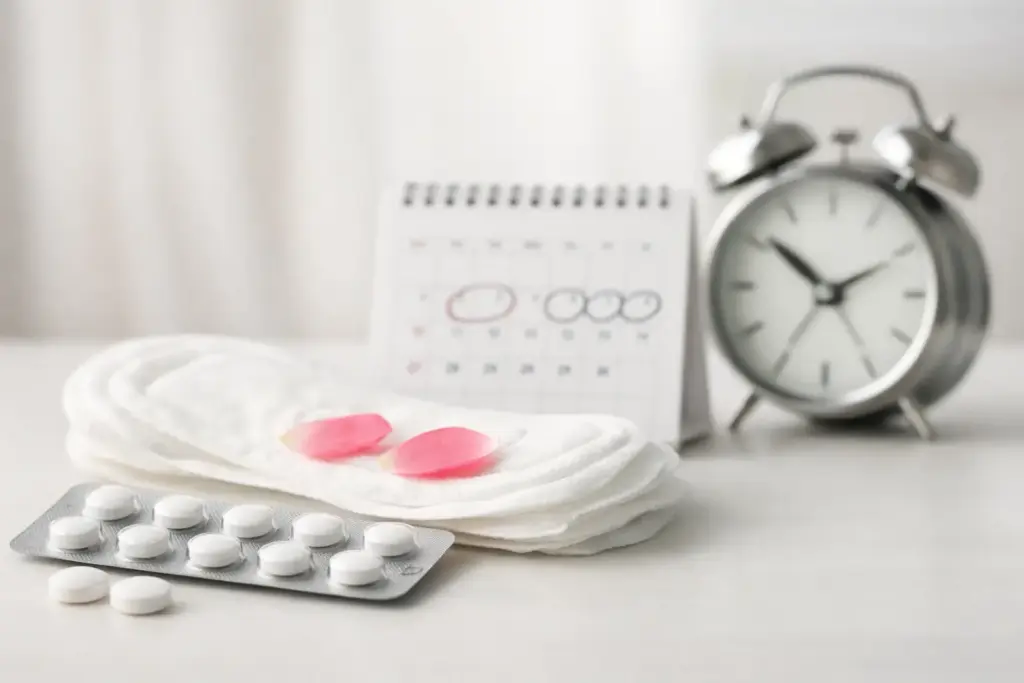
A period arriving during a wedding, holiday, competition or religious event can feel like one more thing to manage when your plans are already full. If you are wondering how to delay your period safely, the most reliable route is a clinician-reviewed hormonal treatment chosen around your medical history, current contraception and the date you need cover for.
Period delay is a common request, but it is not a one-size-fits-all treatment. The right option depends on whether you already use hormonal contraception, when your next period is due and whether you have health conditions that make certain hormones unsuitable.
How to delay your period safely with medication
For many people who are not taking the combined contraceptive pill, a clinician may prescribe norethisterone for short-term period delay. Norethisterone is a type of progestogen, a hormone that helps maintain the lining of the womb. Taken before your period is expected, it can usually postpone bleeding for as long as you continue the prescribed course.
A typical course needs to begin at least three days before your period is due. This timing matters: starting after bleeding has begun is unlikely to stop a period reliably. Your clinician will tell you exactly how and when to take it, based on the length of delay you need and your individual circumstances.
After you stop taking norethisterone, a withdrawal bleed usually starts within a few days. It may not be identical to your usual period. Some people find it is a little heavier, lighter or accompanied by more cramping than normal. That is generally temporary, but seek medical advice if bleeding is very heavy, persistent or concerning.
Norethisterone is not a contraceptive. If there is any chance of pregnancy, use suitable contraception and tell the prescriber. Do not assume that delaying a period prevents pregnancy.
If you already take the combined pill
People taking a standard combined oral contraceptive pill can often delay a withdrawal bleed by taking active pills continuously and skipping the usual pill-free break or placebo tablets. This is commonly used, but the precise approach depends on the brand and pill regimen. Some packs have different hormone doses across the month, so the instructions are not always interchangeable.
A clinician or pharmacist can confirm whether continuous use is appropriate for your specific pill. Breakthrough bleeding or spotting can still happen, especially in the first few months of taking packs back-to-back. It is usually not harmful, but it can be frustrating if the aim is to avoid bleeding for a particular occasion.
Progestogen-only pills, contraceptive injections, implants and hormonal coils can also change bleeding patterns, but they are not generally started as a quick, guaranteed method of delaying a single upcoming period. They may cause unpredictable spotting, particularly early on.
Who should not use period delay treatment?
A safe treatment decision starts with an honest medical assessment. Hormonal period-delay medicines are not suitable for everyone, and a regulated pharmacy should ask about your health, medicines and pregnancy risk before supplying treatment.
You may be advised against norethisterone, or asked to speak to your GP or specialist first, if you have a personal history of blood clots, a clotting disorder, certain heart or circulation conditions, liver disease, unexplained vaginal bleeding, or hormone-sensitive cancer. The same applies if you are pregnant or may be pregnant.
Your clinician also needs to know about migraine, particularly migraine with aura, high blood pressure, diabetes complications, epilepsy and mental health treatment. Some medicines can affect how hormonal treatments work, including certain treatments for epilepsy, tuberculosis and HIV, as well as herbal remedies containing St John’s wort.
Do not use someone else’s prescription or buy hormone tablets from an unregulated seller. The risk is not only that the product may be unsuitable – medicines sold outside legitimate UK pharmacy channels may not contain what the label says.
Plan early, rather than trying to stop a period mid-cycle
The best time to arrange period delay treatment is once you know your plans and before your period is close. If your cycle is regular, use the first day of your last period to estimate when the next one is likely to begin. If your periods are irregular, it can be harder to predict whether the treatment will meet the date you have in mind.
Online clinical assessments can make this straightforward for eligible adults. You provide your medical details, planned dates and medication history; a UK prescriber reviews the information and decides whether treatment is appropriate. If approved, treatment can be dispensed and sent in discreet plain packaging, without the uncertainty of taking unsuitable medication on your own.
Be clear about the real reason for the request and the dates involved. A treatment plan for a long-haul holiday may differ from one for a weekend event. It is also sensible to allow time for clinical review and delivery rather than leaving the decision until the day before your period is expected.
What side effects can happen?
Most people tolerate a short course of norethisterone well, but side effects are possible. These can include nausea, headache, breast tenderness, bloating, changes in mood, acne or changes in sex drive. Light spotting may occur despite treatment.
A small number of side effects need urgent assessment. Stop taking the medicine and seek urgent medical help for signs of a possible blood clot, such as sudden shortness of breath, chest pain, coughing up blood, severe headache, visual disturbance, or pain and swelling in one leg. Seek prompt advice too if you develop yellowing of the skin or eyes, severe abdominal pain, or a significant allergic reaction.
Hormonal medication can affect people differently. If you have previously had difficult side effects with hormonal contraception or period-delay tablets, mention this during your consultation. A prescriber can help weigh the benefits of delaying a period against the likelihood of unwanted effects.
Can lifestyle changes delay a period?
There is no dependable food, supplement, exercise routine or home remedy that can safely delay a period on demand. Stress, illness, major weight change and intensive exercise can affect cycles, but deliberately trying to disrupt your body in those ways is neither predictable nor a good treatment plan.
Be particularly cautious with online advice suggesting large doses of vitamin C, gelatine, painkillers or herbal products. These methods do not reliably delay menstruation and may cause side effects or interact with other medicines. Pain relief such as ibuprofen may reduce period pain or blood loss for some people, but it is not a reliable way to postpone bleeding.
When a delayed period needs checking
A delayed period is not always due to treatment. If your period does not arrive after you have stopped medication, take a pregnancy test if pregnancy is possible. Contact a healthcare professional if your cycle remains unusual, you have severe pain, or bleeding is persistently heavy.
It is also worth arranging a review if you find yourself needing to delay periods regularly. There may be a more suitable ongoing contraceptive or menstrual-management option, especially if periods are painful, heavy or disruptive every month.
A clinician-reviewed plan gives you the best chance of avoiding a poorly timed period while keeping your health at the centre of the decision. With the right treatment, enough notice and clear advice from a UK prescriber, you can make room for the plans that matter without guessing what is safe.