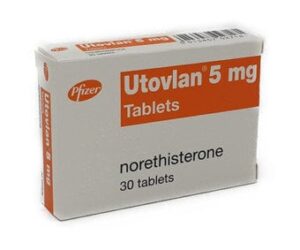
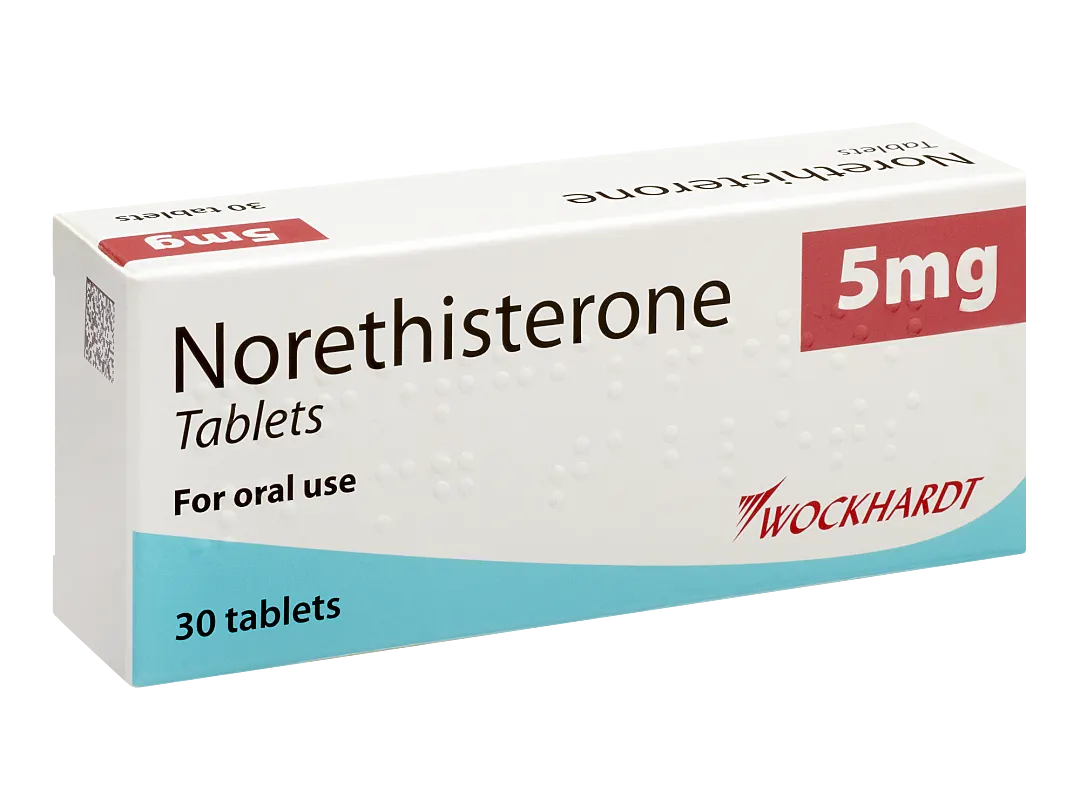
Description
What is norethisterone and what is it used for?
Norethisterone is a hormone-based medicine (a progestogen) that can be used to delay a period for a short time in people who have regular menstrual cycles.
It is intended for temporary period delay for a specific event (for example, travel or an occasion).
How norethisterone works
Norethisterone helps to keep the lining of the womb stable, which can postpone bleeding. Once the tablets are stopped, a withdrawal bleed usually starts within a few days.
When to start
For best results, norethisterone should be started at least 3 days before your period is due.
How to take norethisterone for period delay
- Take one 5mg tablet three times a day.
- Start taking it 3 days before your period is due to begin.
- Continue until you’re ready for your period to return.
- Your period usually starts within 2–3 days after stopping.
Helpful tips
- Try to space doses evenly across the day.
- If you’re not sure when your period is due, the medicine may be less reliable.
- Breakthrough bleeding or spotting can happen in some people.
Important safety information
Norethisterone is not suitable for everyone. You should not use it if a clinician advises it is unsafe for you. In particular, you may be advised against norethisterone if you have certain medical conditions or risk factors.
- Not a contraceptive — it does not protect against pregnancy. Use reliable contraception if needed.
- Tell a clinician if you’ve had blood clots (DVT/PE), certain liver problems, or hormone-sensitive cancers.
- Seek urgent help if you develop symptoms of a blood clot (e.g., chest pain, sudden breathlessness, a painful swollen leg).
Your suitability should be checked through a clinical assessment before supply.
Side effects
Like all medicines, norethisterone can cause side effects, although not everyone gets them. Commonly reported effects can include nausea, headache, breast tenderness, mood changes, dizziness and changes to bleeding patterns. Always read the patient information leaflet for the full list.
Frequently asked questions
How long can I delay my period for?
Norethisterone is typically used for short-term delay. Official guidance includes short courses for postponement, and many services use it for up to a few weeks when appropriate. Your clinician will advise what’s suitable for you.
When will my period come back?
Most people start bleeding within 2–3 days after stopping norethisterone.
Can I start norethisterone once bleeding has already started?
It works best when started at least 3 days before your period is due. If bleeding has already begun, it may not reliably stop it.
Does norethisterone prevent pregnancy?
No. Norethisterone used for period delay is not a contraceptive. Use effective contraception if required.
What if I miss a dose?
Take the missed dose as soon as you remember, then continue as normal. Do not take a double dose to make up for a missed dose. If you miss doses, you may be more likely to get breakthrough bleeding. (Refer to your patient leaflet for product-specific advice.)
Always read the patient information leaflet before use.
Side Effects
Because norethisterone is usually taken for a short period to delay menstruation, most people experience few or no side effects. However, some users may notice mild effects.
Commonly reported side effects include skin rashes or itching, dizziness, headaches, nausea, and breast tenderness.