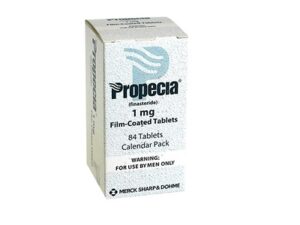
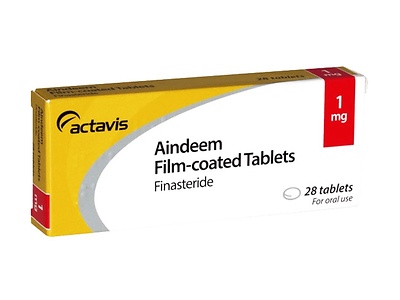
Description
What is finasteride and what is it used for?
Finasteride is a medicine used to treat male pattern hair loss (also known as androgenetic alopecia) in adult men. It is designed to help slow further hair thinning and, in some men, support regrowth.
Finasteride is not suitable for women or children. If you’re unsure whether your hair loss is male pattern hair loss, a clinician can advise after an assessment.
How finasteride works
Finasteride reduces levels of DHT (dihydrotestosterone), a hormone linked to shrinking hair follicles in male pattern hair loss. Lowering DHT can help protect follicles and reduce ongoing thinning.
When you may notice results
Hair changes take time. Many men need at least 3–6 months of daily use to assess benefit, with clearer results often seen by 6–12 months. If you stop treatment, benefits may gradually reverse.
How to take finasteride for hair loss
- Take one tablet once daily, at the same time each day.
- It can be taken with or without food.
- Try not to miss doses — consistency matters for long-term results.
- If you forget a dose, take the next dose at the usual time (do not double up).
Important safety information
- Not for women: finasteride must not be used in women. It can harm an unborn male baby if taken during pregnancy.
- Handling in pregnancy: women who are pregnant (or may become pregnant) should not handle crushed or broken finasteride tablets.
- Tell a clinician if you have a history of depression or suicidal thoughts.
- If you’re having a PSA test (prostate screening), mention you take finasteride, as it can affect PSA results.
Side effects of finasteride
Like all medicines, finasteride can cause side effects, although not everyone gets them. Some side effects relate to sexual function and mood.
Possible side effects may include
- Reduced sex drive (libido)
- Erectile dysfunction
- Problems with ejaculation
- Breast tenderness, swelling, lumps, or nipple discharge
- Low mood, depression, anxiety, or suicidal thoughts
- Skin rash
If you develop mood changes or signs of breast changes, stop taking the medicine and seek medical advice.
Get urgent medical help if
- You have suicidal thoughts or feel at immediate risk
- You notice a breast lump, nipple discharge, or persistent breast pain
- You develop swelling of the face/lips/tongue or difficulty breathing (possible allergic reaction)
Frequently asked questions
Is finasteride a cure for hair loss?
Finasteride is a long-term management option. It can slow hair loss and may improve hair density in some men, but results vary and ongoing use is usually needed to maintain benefit.
Can finasteride be used with minoxidil?
Finasteride and minoxidil work differently and are sometimes used together. A clinician can advise what’s appropriate based on your pattern of hair loss and medical history.
What if I stop taking finasteride?
If you stop, the hormonal effect reduces and hair loss may gradually return over the following months.
Is finasteride suitable for everyone?
Not always. A clinician will check suitability, including your medical history, current medicines, and any history of mood changes.
Always read the patient information leaflet before use.
Side Effects
Like all medicines, finasteride can cause side effects, although many people do not experience any.
Some of the more commonly reported side effects include:
Erectile dysfunction
Reduced sex drive
For some individuals, these effects may improve with continued use over time. If side effects persist, worsen, or affect your quality of life, you should discuss your treatment options with a doctor before stopping the medication.
In rare cases, finasteride may cause an allergic reaction. Symptoms to watch for include:
Skin rash or itching
Swelling of the lips, face, tongue, or throat
Difficulty breathing or swallowing
If you experience any signs of an allergic reaction, stop taking finasteride immediately and seek urgent medical advice.