

Weight Loss
Weight loss pens typically refer to injectable medications used to help with weight loss, and they are often a form of medication called GLP-1 receptor agonists. One of the most well-known weight loss pens is Wegovy (semaglutide) and Mounjaro (tirzepatide), which is used to aid weight loss in people who are overweight or obese.
Our service includes ongoing personalised weight loss support, such as a weight loss support pack, regular check-ins and the option to message our Doctor/Pharmacist at any time if you need advice or have any concerns.

Weight Loss treatment options
Compare our popular treatments to see what option best suits your lifestyle.
About injectable weight loss, being overweight, the journey and the different options for medication.
Weight Loss
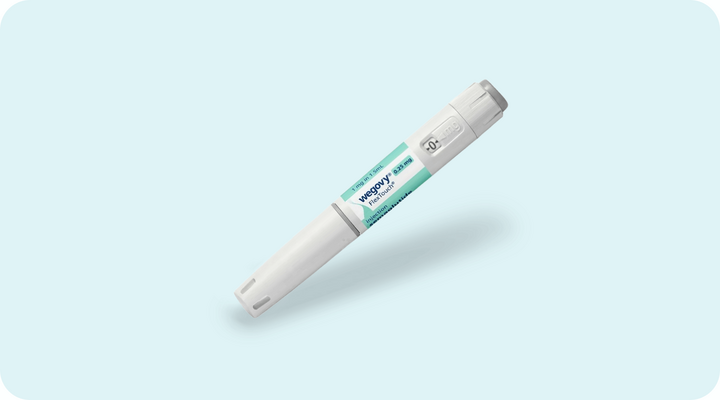
Wegovy
- Weight loss pen
- Branded weight loss injection
- Scientifically proven for weight loss
Prices from £119.00
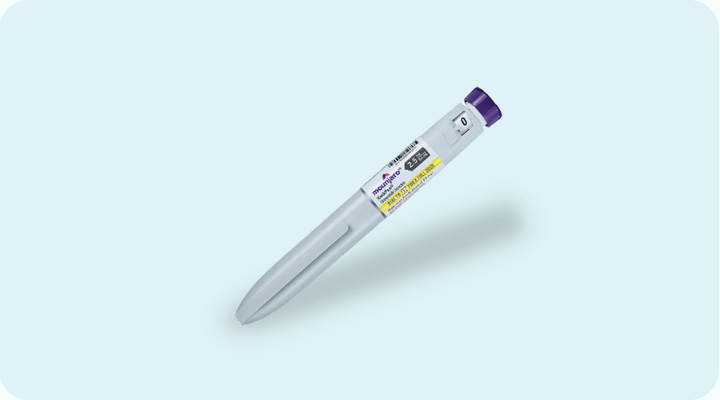
Mounjaro
- Weight loss pen
- Safe and Effective
- Aids in weight loss
Prices from £149.99
Orlistat/Xenical
- Oral Weight Loss
- Safe and Effective
- Aids in weight loss
Prices from £160.00
Compare Weight Loss Treatments
Use the table below to compare options. Suitability depends on your BMI, medical history and current medicines. A clinician will confirm what’s appropriate after your consultation.
| Feature | Wegovy (Semaglutide) | Mounjaro (tirzepatide) | Orlistat (generic) / Xenical (brand) |
|---|---|---|---|
| Type | Injection | Injection | Capsule |
| How it works | Helps regulate appetite and food intake (GLP-1) | Helps regulate appetite and food intake (GLP-1) | Reduces absorption of dietary fat |
| Possible Weight Loss(% of body weight) | ~17% | ~22.5% | ~5-10% |
| Strength/Dose | 0.25mg - 2.4mg weekly injection pens | 2.5mg - 15mg weekly injection pens | 120mg capsules |
| Dosing | Once weekly (dose increases over time) | Once weekly (dose increases over time) | With meals containing fat (as directed) |
| Best for | People who prefer weekly dosing and need stronger appetite support | People who prefer weekly dosing and need stronger appetite support | People who prefer non-injectable options and can follow a low-fat diet |
| Common side effects | Nausea, vomiting, diarrhoea/constipation, reduced appetite | Nausea, vomiting, diarrhoea/constipation, reduced appetite | Oily stools, urgency, flatulence (more likely with high-fat meals) |
| Important notes | Not suitable for everyone. Tell us about your medical history and medicines. | Not suitable for everyone. Tell us about your medical history and medicines. | Requires low-fat diet for best results and fewer side effects. |
Not sure which option suits you? Complete a short online consultation and our clinicians will advise.
This information is for general guidance only and does not replace medical advice. Always follow the product leaflet and clinician instructions.
Frequently Asked Questions
What is the best treatment for weight loss?
Injectable weight loss treatments such as Mounjaro and Wegovy are currently among the most effective options available for managing weight, particularly when used alongside a calorie-controlled diet and regular physical activity.
Clinical studies show that patients using Mounjaro achieve greater average weight loss compared to those using Wegovy. In trials, around 32% of people using Mounjaro lost at least 25% of their body weight, compared to 16% of those using Wegovy.
For those who prefer non-injectable options, effective oral treatments are also available. Medications such as Orlistat, Orlos, Alli, and Xenical have been shown in clinical studies to help patients lose over 10% of their body weight within one year, particularly when combined with healthy eating and regular exercise.
It’s important to note that individual results can vary. Factors such as age, existing medical conditions, diet, and lifestyle habits all play a role in determining which treatment is most suitable and how effective it may be.
At Online UK Pharmacy, we provide a safe, reliable, and personalised weight loss service from consultation through to treatment. If you’re unsure which option is right for you, simply complete our free online weight loss consultation and our clinical team will assess your suitability and recommend the most appropriate treatment.
What is the difference between obesity and being overweight?
Obesity is a long-term (chronic) condition characterised by the excessive accumulation of body fat. It is associated with an increased risk of developing serious health conditions, including heart disease, type 2 diabetes, and high blood pressure.
According to the NHS, obesity is diagnosed when an individual has a Body Mass Index (BMI) of 30 or above. A person is considered overweight if their BMI falls between 25 and 29.9, indicating excess body fat that may increase health risks over time. In many cases, being overweight can be managed through lifestyle changes such as improved diet and increased physical activity.
A healthy weight is defined as a BMI between 18.5 and 24.9, while a BMI below 18.5 is classed as underweight.
BMI is a useful screening tool, but it does not account for factors such as muscle mass or body composition. A healthcare professional can provide a more personalised assessment and advice where needed.
What are the health risks associated with obesity?
Obesity is associated with a range of serious health risks, including:
Cardiovascular disease
Excess visceral fat stored around internal organs can contribute to the build-up of fatty deposits within the arteries (atherosclerosis). This narrows the arteries, increases blood pressure, and places added strain on the heart, raising the risk of heart disease and related complications. Clinical evidence has shown that Wegovy can reduce the risk of major adverse cardiovascular events (MACEs) by approximately 20%, helping to lower the likelihood of heart-related conditions in eligible patients.
Joint pain and mobility issues
Carrying excess body weight places additional stress on weight-bearing joints such as the knees, hips, and lower back. Over time, this increased pressure can accelerate joint wear, leading to pain, stiffness, reduced mobility, and conditions such as osteoarthritis.
Respiratory problems
Excess fat around the abdomen can restrict diaphragm movement and compress the lungs, making breathing more difficult. This can contribute to respiratory conditions such as sleep apnoea, breathlessness, and reduced exercise tolerance.
Type 2 diabetes
Visceral fat can interfere with the body’s ability to respond effectively to insulin by releasing inflammatory substances that affect glucose regulation. This can lead to persistently raised blood sugar levels and an increased risk of developing type 2 diabetes. Research has shown that Mounjaro helps reduce both blood glucose levels and body weight, making it a suitable treatment option for some individuals with type 2 diabetes, subject to clinical assessment.
How long does it take to lose weight?
The speed at which someone loses weight depends largely on the size of the calorie deficit they maintain each day. This deficit is influenced by diet, physical activity, lifestyle habits, and, where appropriate, the use of weight loss treatments.
A daily calorie deficit of around 500 calories typically leads to a weight loss of approximately 0.5kg (1.1 pounds) per week. This can usually be achieved through a balanced, calorie-controlled diet combined with regular physical activity.
Injectable weight loss treatments such as Wegovy and Mounjaro support weight loss by helping to reduce appetite and slow gastric emptying, which can make it easier to feel full sooner and eat less. However, these treatments work best when used alongside healthy eating habits and regular exercise.
Clinical data shows that patients using Mounjaro experienced an average weight loss of around 1% of their body weight per week during the first four weeks, although individual results may vary.
Sustainable weight loss is most effective when medication is used as part of a wider lifestyle approach, rather than as a standalone solution.
What is the difference between weight loss capsules and weight loss injections?
Weight loss capsules are taken by mouth, while weight loss injections are administered under the skin, usually into the abdomen, upper thigh, or upper arm. Each treatment type works in a different way, as capsules and injections contain different active ingredients that support weight loss through distinct mechanisms.
At Online UK Pharmacy, we offer a range of injectable weight loss treatments, including:
Wegovy (semaglutide)
Wegovy is a prescription-only, once-weekly weight loss injection. It works by mimicking a naturally occurring hormone called GLP-1, which helps reduce appetite, slows stomach emptying, and increases feelings of fullness. These combined effects can support a sustained calorie deficit and promote weight loss when used alongside a reduced-calorie diet and increased physical activity.
Mounjaro (tirzepatide)
Mounjaro is a prescription-only, dual-action weekly injection. It mimics two hormones, GLP-1 and GIP, to help control appetite, slow gastric emptying, and enhance insulin release after meals. This combination can reduce food cravings and support weight loss when used alongside healthy lifestyle changes.
We also provide oral weight loss treatments, including:
Orlistat 120mg
Orlistat 120mg is a prescription weight loss medication suitable for adults with a BMI of 30 or above. It works by blocking the enzyme lipase, reducing the breakdown and absorption of dietary fat so fewer calories are absorbed from food.
Xenical (Orlistat 120mg)
Xenical is the branded version of Orlistat 120mg. Both treatments are medically identical, containing the same active ingredient and dosage, but Xenical is usually priced higher as a branded product.
How do weight loss injections work?
Weight loss injections work in different ways depending on their active ingredients.
Wegovy contains the active ingredient semaglutide, which mimics a naturally occurring hormone called GLP-1. This hormone helps signal to the brain that you are full, reducing hunger and appetite. Wegovy also slows gastric emptying, meaning food stays in the stomach for longer, helping you feel fuller for extended periods. Together, these effects can make it easier to maintain a calorie deficit and support weight loss.
Mounjaro contains tirzepatide, which mimics both the GLP-1 and GIP hormones. This dual-action approach enhances appetite regulation, supports better blood sugar control, and slows gastric emptying. These combined effects can help reduce food cravings and aid weight loss when used alongside healthy lifestyle changes.
How do weight loss capsules work?
Weight loss capsules containing the active ingredient orlistat work by blocking the action of enzymes in the digestive system that are responsible for breaking down dietary fat. As a result, around 25–30% of the fat consumed in meals passes through the body without being absorbed.
By reducing the amount of fat absorbed from food, orlistat helps lower overall calorie intake, making it easier to maintain a calorie deficit and support weight loss when combined with a healthy, reduced-calorie diet.
What causes weight gain?
Weight gain can occur for a variety of reasons related to age, hormonal changes, dietary habits, and lifestyle choices. Often, weight gain results from a combination of these factors rather than a single cause.
Ageing
As we get older, the body naturally loses muscle mass and strength. This happens partly due to reduced levels of growth hormones and a decline in the body’s ability to build and maintain muscle tissue. Because muscle requires more energy to maintain than fat, a reduction in muscle mass leads to a slower metabolism. As a result, fewer calories are burned at rest, making weight gain more likely over time.
Hormonal changes
Hormones play a key role in regulating appetite, fullness, fat storage, cravings, and metabolism.
-
Ghrelin, often referred to as the “hunger hormone”, signals to the brain when you feel hungry.
-
Leptin helps signal when you are full and should stop eating.
Imbalances or changes in these hormones can lead to increased hunger and reduced feelings of fullness, causing higher calorie intake and potential weight gain.
In women, fluctuations in oestrogen and progesterone, particularly during menopause, can affect fat distribution and fluid retention, increasing the likelihood of weight gain. In men, a gradual decline in testosterone can reduce muscle mass and slow metabolism, making it easier to gain weight.
Nutritional choices
Weight gain occurs when more calories are consumed than the body uses, with excess energy stored as body fat. A balanced diet that includes lean protein sources (such as eggs and lean meats) and high-fibre foods (such as fruits and vegetables) can support weight management.
Choosing complex carbohydrates like whole grains instead of refined carbohydrates and sugars can help slow the release of glucose into the bloodstream. This may reduce spikes in insulin, a hormone associated with increased fat storage.
Lifestyle factors
Lifestyle habits strongly influence both calorie intake and calorie expenditure. Alcohol, for example, is high in calories and can increase appetite, particularly for high-fat foods, making weight gain more likely when consumed in excess.
Physical activity also plays a crucial role. Regular movement, including daily walking and structured exercise, helps increase calorie expenditure. A sedentary lifestyle or infrequent exercise reduces energy use and increases the likelihood of weight gain over time.
Why has my weight loss slowed down?
Weight loss progress can sometimes slow down or stall. This is common and can happen for several reasons, including the following:
Low protein intake
Protein-rich foods such as eggs, lean meats, and nuts require more energy to digest than carbohydrates or fats, which helps support metabolism. If protein intake is too low, fewer calories are burned at rest, which can slow metabolic rate and make weight loss more difficult.
Skipping meals
Missing meals can cause a drop in blood sugar levels, leading to increased release of the hunger hormone ghrelin. This can significantly increase appetite and trigger cravings for quick, high-calorie foods such as sugary snacks, which may stall weight loss efforts.
Irregular or insufficient sleep
Poor sleep can interfere with weight loss by increasing fatigue and reducing motivation to stay active. Inadequate sleep also disrupts the balance of appetite-regulating hormones, including ghrelin and leptin, making overeating more likely and slowing progress.
Not adjusting calorie intake as weight changes
As body weight decreases, the number of calories needed to maintain weight loss also reduces. If calorie intake is not adjusted to reflect these changing requirements, the body may stop losing weight, leading to a plateau.
Is exercise necessary for weight loss?
Exercise is not essential for weight loss, but it can play an important role in helping to create and maintain a calorie deficit.
Physical activity increases the number of calories the body burns, making it easier to achieve weight loss. Certain types of exercise, such as resistance training or weightlifting, can also help build and preserve muscle mass. Because muscle requires more energy to maintain than fat, having more muscle can support a higher metabolic rate.
For healthy and sustainable weight loss, it is recommended to exercise regularly where possible, alongside a balanced, calorie-controlled diet. Combining physical activity with dietary changes can also help maintain weight loss in the long term.
How much weight is safe to lose in a week?
According to the NHS, a safe and sustainable rate of weight loss is around 0.5kg to 1kg per week. Losing weight at this pace helps maximise fat loss while preserving muscle mass, supporting healthier body composition.
Clinical research has shown that Mounjaro can support an average weight loss of around 1% of body weight per week during the first four weeks of treatment, although individual results may vary.
Keeping weight loss within this recommended range also reduces the risk of nutritional deficiencies and other health issues that can arise from an overly restrictive calorie deficit. For best results, weight loss treatments should always be used alongside a balanced, calorie-controlled diet and healthy lifestyle changes.
Sources
- Electronic medicines compendium (EMC): Xenical 120 mg hard capsules. [Accessed 4th July 2025]
- NHS: Obesity Treatment. [Accessed 4th July 2025]
- Novo Nordisk: Wegovy 2.4mg semaglutide injection. [Accessed 4th July 2025]
- Tirzepatide Once Weekly for the Treatment of Obesity, 2022. [Accessed 4th July 2025]
- Tirzepatide as Compared with Semaglutide for the Treatment of Obesity, 2025. [Accessed 4th July 2025]
Copyright 2025 © Online UK Pharmacy. Developed By King Orange

Copyright 2026 © Online UK Pharmacy. Developed By King Orange