

Asthma

Asthma Treatment
Asthma is a long-term lung condition that causes breathing difficulties. It’s caused by inflammation and narrowing of the airways, often triggered by allergens, cold air, exercise, or pollution.
Before we can prescribe any treatment, you’ll need to complete a short online consultation. This helps our clinicians understand your health, medical history, and goals, so we can recommend the most suitable treatment for you.
- Improved Breathing
- Fewer Asthma Attacks
- Increased Daily Activity
- Long-Term Lung Health
Effective Solutions For Asthma Treatment
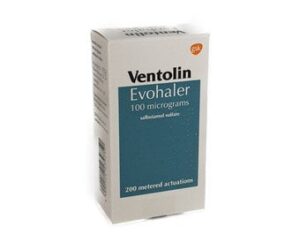
Ventolin Inhalers
- Available as an Evohaler or Accuhaler
- Reliever inhaler – use when required for asthma symptoms
- Provides fast-acting relief
- Cheaper alternative: Generic Salbutamol inhaler from £7.75
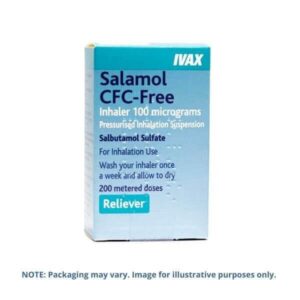
Salamol
- Available as: CFC-free inhaler and Easi-Breathe inhaler
- Active ingredient: Salbutamol
- Type: Reliever inhaler
Personalised Asthma Treatment
Personalised asthma treatment means your care is tailored specifically to your symptoms, triggers, lifestyle, and medical history. Rather than a one-size-fits-all approach, treatment is adapted to meet your needs and reviewed regularly.
Targeted Symptom Control
Treatment is tailored to your exact symptoms and severity, leading to better day-to-day control.
Reduced Emergency Visits
3. Right Medication, Right Dose
Your Questions Answered
Description
Asthma – Overview
Asthma is a long-term respiratory condition that affects the airways. It causes inflammation and narrowing of the airways, along with increased mucus production, which can make breathing difficult.
Asthma often begins in childhood, but it can develop at any age. In England alone, around 5.4 million people receive treatment for asthma—approximately one in 12 adults and one in 11 children.
For some people, asthma causes only occasional mild symptoms. For others, it can significantly affect daily life and, in severe cases, lead to potentially life-threatening asthma attacks.
Although asthma cannot be cured, symptoms can usually be well controlled with appropriate treatment. This includes breathing techniques and prescribed asthma medicines, such as preventer and combination inhalers.
Because asthma symptoms and severity can change over time, regular reviews with a doctor or asthma nurse are important to ensure treatment remains effective.
What Is an Asthma Attack?
An asthma attack occurs when symptoms suddenly or gradually worsen. Severe attacks can be life-threatening and may require urgent hospital treatment.
Symptoms of an asthma attack include:
- Difficulty breathing
- Tightness in the chest
- Wheezing
- Little or no relief from a reliever inhaler
- A peak flow reading lower than normal
What to Do During an Asthma Attack
- Sit upright and try to remain calm
- Take one puff of your reliever inhaler every 30 seconds, up to 10 puffs
- If symptoms do not improve after 10 puffs, call an ambulance immediately
- If the ambulance has not arrived within 10 minutes and symptoms persist, repeat the inhaler steps
- After any asthma attack, you should see your GP or asthma nurse within 48 hours
Around one in six people experience another attack within two weeks, so follow-up care is essential.
Severe Asthma
While there is no single agreed definition, the World Health Organization classifies severe asthma into three groups:
- Untreatable asthma
- Difficult-to-treat asthma
- Therapy-resistant asthma
Symptoms are similar to other types of asthma but are more intense, harder to control, and carry a higher risk of serious complications.
Complications of Poorly Controlled Asthma
Long-term uncontrolled asthma may lead to:
- Permanent airway damage
- Reduced lung function
- Poor sleep quality
- Pregnancy complications
- Severe or life-threatening asthma attacks
- Increased risk of chest infections
What Causes Asthma?
Asthma develops when the bronchi (small airways in the lungs) become inflamed in response to certain triggers. This causes airway narrowing, tightening of chest muscles, and increased mucus production.
The exact cause is unknown, but asthma is more common in people with a family history of the condition.
Common asthma triggers include:
- Exercise-induced asthma, especially in cold air
- Occupational triggers, such as dust, fumes, or pollution
- Allergens, including pollen, pet dander, and food allergies
- Medications, such as non-steroidal anti-inflammatory drugs (NSAIDs)
- Emotional factors, including stress or laughter
- Weather changes, particularly sudden changes in temperature or humidity
Symptoms of Asthma
Symptoms vary between individuals and may come and go.
Common symptoms include:
- Shortness of breath
- Chest tightness or discomfort
- Wheezing
- Night-time coughing or breathing difficulties
- Symptoms worsened by viral infections
Signs your asthma may be worsening:
- Symptoms occurring more frequently
- Increased reliance on a reliever inhaler
- Falling peak flow readings
How Asthma Is Diagnosed
A doctor will assess your symptoms and medical history and may perform a physical examination to rule out other conditions.
You may also undergo lung function tests, such as:
- Spirometry, which measures how much air you can breathe out and how quickly
- Peak flow testing, which measures how forcefully you can exhale
Low readings can indicate narrowed airways.
Asthma Classification
Asthma is commonly classified into four levels:
- Mild intermittent – symptoms up to twice per week, night symptoms up to twice per month
- Mild persistent – symptoms more than twice per week but not daily
- Moderate persistent – daily symptoms and night symptoms more than once per week
- Severe persistent – symptoms present most days and nights
Treating Asthma
There is no cure for asthma, but effective management focuses on prevention and long-term control.
Identifying and avoiding personal triggers is the first step. Regular monitoring and keeping medications up to date is equally important.
Most people will require a reliever inhaler for sudden symptoms and a preventer inhaler for long-term control.
Asthma Medications
Your doctor or asthma nurse will tailor treatment based on your age, symptoms, triggers, and response to previous treatment.
Preventer Inhalers
Preventer inhalers are taken daily to reduce airway inflammation and prevent attacks. They are usually brown, red, or orange and contain inhaled corticosteroids.
Common preventer medicines include:
- Budesonide
- Ciclesonide
- Beclomethasone
- Mometasone
Rinse your mouth after use to reduce the risk of oral fungal infections.
Reliever Inhalers
Reliever inhalers (usually blue) provide rapid symptom relief by relaxing airway muscles. They do not treat underlying inflammation.
Common reliever medicines include:
- Salbutamol
- Terbutaline
Side effects are usually mild.
Long-Acting Reliever Inhalers
If symptoms are not controlled with a preventer alone, a long-acting beta agonist (LABA) may be added. These work for up to 12 hours and are often combined with a corticosteroid in one inhaler.
Examples include:
- Formoterol
- Salmeterol
Oral Corticosteroids
In severe cases, specialist care may involve steroid tablets. These are usually a last resort due to potential long-term side effects.
Complementary Therapies
Natural approaches should never replace prescribed asthma medication but may be used alongside it.
These include:
- Breathing exercises
- Yoga and mindfulness
- Selected herbal therapies
Living With Asthma
Most people with asthma can live full, active lives with the right treatment.
Staying Active
Regular exercise can improve lung function and overall health. If cold air triggers symptoms, wearing a face covering may help warm inhaled air.
Asthma Treatment From Our Online Pharmacy
Although asthma cannot be cured, symptoms can usually be well managed with the right inhalers.
Reliever inhalers provide fast symptom relief, while preventer inhalers are taken daily to reduce flare-ups.
Our online pharmacy offers a range of asthma inhalers and treatments, following a simple online consultation.
Why Shop With Us?
We are committed to providing high-quality asthma treatments at competitive prices. Our experienced pharmacy team works to ensure safe, efficient, and reliable service.
Whether you need prescription asthma medicines or over-the-counter options, we offer fast delivery and professional support.
Take an Online Assessment
Our quick online assessment allows you to access asthma treatment from the comfort of your home. By answering a few health questions, our clinicians can ensure your treatment is appropriate and safe.
Your medication will then be delivered directly to your door.
Speak to a Pharmacist
If you have concerns about asthma or your treatment, our pharmacy team is available to offer expert advice and support.
We are here to help you manage your asthma safely and effectively through our registered online pharmacy.
What causes asthma?
Triggers include allergies, cold air, exercise, infections, smoke, and air pollution.
Is asthma a serious condition?
What is personalised asthma treatment?
What should I do during an asthma attack?
What are biologic treatments for asthma?
Is asthma classed as a disability?
How it works
Complete a quick assessment about your condition and symptoms
Share a few quick details about your health, lifestyle, and goals by answering a short set of questions.
Your assessment is reviewed by a UK-registered clinician.
A UK-registered prescriber reviews your assessment to make sure any treatment is safe and appropriate for you.
Receive discreet delivery
Ongoing support
Book follow-up reviews with our specialist team to track your progress and support you throughout your treatment.