
Overview
Orlistat weight loss capsules
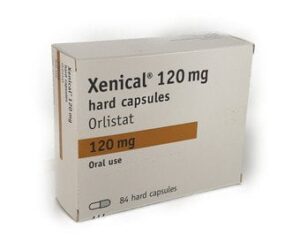
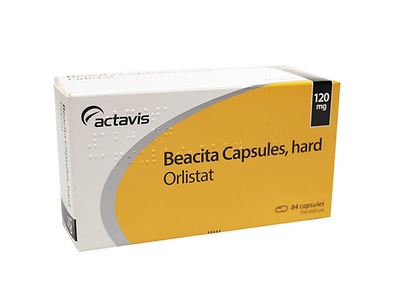
Orlistat is an oral medication that supports weight loss by reducing the amount of dietary fat your body absorbs. It works in the digestive system to help you lose weight when combined with a reduced-calorie, lower-fat diet and regular physical activity.
For adults aged 18+ only. Treatment is supplied following clinical assessment and approval.
How Orlistat works
Orlistat works by blocking the action of enzymes called lipases in your digestive system. These enzymes normally break down dietary fat so it can be absorbed by the body.
By preventing approximately one-third of the fat you eat from being absorbed, Orlistat helps reduce your overall calorie intake. The unabsorbed fat passes through your digestive system and is eliminated naturally.
Who may be eligible?
Orlistat may be considered for adults who meet one of the following:
- BMI 30+, or
- BMI 28+ with a weight-related health condition (e.g. high blood pressure, type 2 diabetes, or high cholesterol).
Eligibility is confirmed during the OnlineUKPharmacy medical questionnaire and clinician review.
Available strengths
- 60mg capsules (lower strength)
- 120mg capsules (prescription strength)
Your clinician will advise the most appropriate strength for you based on your weight loss goals and medical history.
How to take Orlistat
Take one capsule three times daily with each main meal that contains fat, or up to one hour after eating.
If you miss a meal or eat a meal with no fat, you can skip that dose.
Swallow capsules whole with water. Do not take more than three capsules per day.
When to take it
Take Orlistat immediately before, during, or up to one hour after each main meal (breakfast, lunch, and dinner).
The capsule should be taken with meals that contain fat. If a meal is very low in fat or you skip a meal, you do not need to take a dose.
Expected results
Clinical studies have shown that Orlistat can support weight loss when used alongside lifestyle changes:
- People taking Orlistat 120mg typically lose 50% more weight than diet and exercise alone
- Average weight loss is around 5-10% of body weight over 6-12 months
- Most people begin to see results within 2 weeks, with continued weight loss over several months
- Orlistat can also help improve weight-related health conditions such as blood pressure, cholesterol, and blood sugar levels
Dietary guidance while taking Orlistat
To maximize weight loss and minimize digestive side effects, follow these dietary recommendations:
- Reduce fat intake: Aim for no more than 30% of daily calories from fat (approximately 15g of fat per meal)
- Distribute fat evenly: Spread your fat intake across three main meals rather than consuming large amounts in one sitting
- Choose lean proteins: Opt for chicken, fish, turkey, and plant-based proteins
- Increase fiber: Eat plenty of fruits, vegetables, and whole grains
- Stay hydrated: Drink plenty of water throughout the day
Vitamin supplementation
Because Orlistat reduces fat absorption, it can also reduce the absorption of fat-soluble vitamins (A, D, E, and K).
It is recommended to take a daily multivitamin supplement containing these vitamins while using Orlistat.
- Take the multivitamin at bedtime or at least 2 hours before or after taking Orlistat
- This ensures the vitamins are properly absorbed
Storage
- Store at room temperature below 25°C
- Keep in the original packaging to protect from moisture
- Do not use after the expiry date shown on the packaging
- Keep out of sight and reach of children
How long can I take Orlistat?
Orlistat is typically used for up to 6 months initially. Your prescriber will review your progress regularly.
Treatment may be continued beyond 6 months if you have lost at least 5% of your starting body weight and are continuing to make progress toward your weight loss goals.
If you have not lost at least 5% of your body weight after 12 weeks of treatment, your prescriber may recommend stopping Orlistat and considering alternative approaches.
How OnlineUKPharmacy supplies Orlistat
- Complete a short online consultation to check suitability and eligibility.
- Clinical review by our Glasgow-based, UK-registered healthcare professionals.
- Discreet delivery if approved, with plain, unbranded packaging.
- Ongoing support available throughout your treatment journey.
Why choose OnlineUKPharmacy?
- Glasgow-based team: All consultations reviewed by UK-registered healthcare professionals
- Fast service: Same-day prescription service with next-day delivery options available
- Complete discretion: Plain packaging with no branding or product descriptions
- Comprehensive support: Expert guidance throughout your treatment journey
- Regulatory compliance: Fully registered with the General Pharmaceutical Council (GPhC)
- Flexible options: Both 60mg and 120mg strengths available
Important: This information is for educational purposes and does not replace professional medical advice. Always consult with a qualified healthcare provider before starting any weight loss treatment.
Last updated: January 2026
Side Effects
Side effects of Orlistat
Like all medicines, Orlistat can cause side effects, although not everyone experiences them. Most side effects are digestive-related and occur because of how Orlistat works—by preventing fat absorption.
Very common side effects (may affect more than 1 in 10 people)
These digestive side effects are most common, especially when starting treatment or after eating high-fat meals:
- Oily or fatty stools
- Oily spotting or discharge from the rectum
- Flatulence (wind) with discharge
- Urgent need to open bowels
- Increased number of bowel movements
- Liquid or soft stools
- Abdominal pain or discomfort
Common side effects (may affect up to 1 in 10 people)
- Headache
- Upper respiratory tract infections (such as colds)
- Lower respiratory tract infections (such as flu)
- Urinary tract infections
- Rectal pain or discomfort
- Tooth or gum problems
- Irregular menstrual periods
- Tiredness or fatigue
- Anxiety
Uncommon side effects (may affect up to 1 in 100 people)
- Rectal bleeding
- Diverticulitis (inflammation of the large intestine)
- Blisters on the skin
- Increased levels of certain liver enzymes (shown in blood tests)
Rare side effects (may affect up to 1 in 1,000 people)
- Allergic reactions (such as itching, rash, hives, difficulty breathing, or swelling of the face, lips, or throat)
- Hepatitis (inflammation of the liver) – symptoms may include yellowing of skin or eyes, itching, dark urine, or abdominal pain
- Oxalate nephropathy (kidney stones) – may cause back pain or blood in urine
- Pancreatitis (inflammation of the pancreas) – severe stomach pain that may spread to the back
- Signs of an allergic reaction (difficulty breathing, swelling of face or throat, severe rash)
- Severe or persistent abdominal pain
- Yellowing of the skin or eyes (jaundice)
- Dark urine or pale stools
- Severe rectal bleeding
- Signs of kidney problems (blood in urine, severe back pain, reduced urination)
Managing digestive side effects
You can reduce or prevent the most common side effects by:
- Following a lower-fat diet: Keep fat intake to no more than 30% of daily calories (about 15g per meal)
- Distributing fat evenly: Spread fat intake across three meals rather than one large fatty meal
- Avoiding high-fat foods: Limit fried foods, fatty meats, full-fat dairy, pastries, and creamy sauces
- Increasing fiber gradually: Eat more fruits, vegetables, and whole grains to help regulate digestion
- Staying hydrated: Drink plenty of water throughout the day
- Using panty liners: Some people find wearing a panty liner helpful, especially when starting treatment
Drug interactions
Orlistat may interact with certain medications. Inform your prescriber if you are taking:
- Warfarin or other blood thinners – Orlistat may affect blood clotting
- Ciclosporin (immunosuppressant) – take at least 2 hours apart from Orlistat
- Levothyroxine (thyroid medication) – take at least 4 hours apart from Orlistat
- Antiepileptic medicines – Orlistat may reduce their effectiveness
- Antiretroviral medicines for HIV – Orlistat may affect absorption
- Amiodarone (heart rhythm medication) – take at least 2 hours apart
Important: This is not a complete list of side effects. Always read the patient information leaflet provided with your medication and consult your healthcare provider if you have concerns.
When should I take Orlistat?
- Standard dose: 120mg capsule three times daily
- Take with meals: During or within 1 hour of breakfast, lunch, and dinner
- Skip if no fat: If you miss a meal or eat a meal with no fat, skip that dose
FAQs
What's the difference between Orlistat 60mg and 120mg?
The main difference is the strength and availability:
Orlistat 60mg is a lower-strength version that is available to purchase from pharmacies without a prescription in some countries. It blocks approximately 25% of dietary fat absorption.
Orlistat 120mg is the prescription-strength version that blocks approximately one-third (33%) of dietary fat absorption. It is more effective for weight loss and requires a prescription following clinical assessment.
Your prescriber will recommend the most appropriate strength based on your weight loss goals, BMI, and medical history.
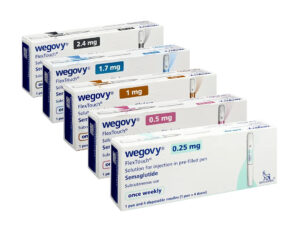
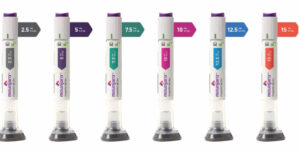
How is Orlistat different from Wegovy or Mounjaro?
Orlistat works in a completely different way to injectable weight loss treatments like Wegovy and Mounjaro:
Orlistat is an oral capsule taken three times daily with meals. It works in the digestive system by blocking fat absorption, preventing approximately one-third of dietary fat from being absorbed. It does not affect appetite or hormones.
Wegovy and Mounjaro are weekly injections that work by mimicking hormones (GLP-1 and GIP) to reduce appetite, increase feelings of fullness, and regulate blood sugar levels.
Orlistat is generally more affordable and may be suitable for people who prefer oral medication or cannot use injectable treatments.
Can I take Orlistat if I don't eat much fat?
Orlistat works by blocking fat absorption, so it is most effective when your diet contains some fat. If your meals contain very little or no fat, Orlistat will have minimal effect on weight loss.
For best results, follow a reduced-calorie diet that includes moderate amounts of fat (no more than 30% of daily calories from fat, approximately 15g per meal). This allows Orlistat to work effectively while minimizing digestive side effects.
If you already follow a very low-fat diet, alternative weight loss treatments may be more suitable. Speak to your prescriber for personalized advice.
What happens if I eat a high-fat meal while taking Orlistat?
Eating high-fat meals while taking Orlistat significantly increases the likelihood and severity of digestive side effects, including:
- Oily or fatty stools
- Oily spotting or leakage
- Urgent need to use the toilet
- Increased bowel movements
- Flatulence with discharge
- Abdominal discomfort
To minimize side effects, aim to keep fat intake to no more than 15g per meal and distribute fat evenly across three meals rather than consuming a large amount in one sitting.
Can I take Orlistat while taking oral contraceptives?
Orlistat does not directly reduce the effectiveness of oral contraceptive pills. However, digestive side effects such as diarrhoea can reduce pill absorption.
If you experience severe diarrhoea lasting more than 24 hours, follow the "missed pill" guidance in your contraceptive leaflet and consider using additional barrier methods (such as condoms) until symptoms resolve and you have taken your pill correctly for 7 consecutive days.
Can Orlistat be used during pregnancy or breastfeeding?
Pregnancy: Orlistat is not recommended during pregnancy. Weight loss during pregnancy is generally not advised, and there is limited data on the safety of Orlistat in pregnancy.
If you become pregnant while taking Orlistat, stop taking the medication and contact your doctor or prescriber for advice.
Breastfeeding: It is not known whether Orlistat passes into breast milk. As a precaution, Orlistat is not recommended while breastfeeding.
Do I need to take vitamins while using Orlistat?
Yes. Because Orlistat reduces fat absorption, it can also reduce the absorption of fat-soluble vitamins (A, D, E, and K).
It is recommended to take a daily multivitamin supplement containing these vitamins while using Orlistat.
- Take the multivitamin at bedtime or at least 2 hours before or after taking Orlistat
- This timing ensures the vitamins are properly absorbed
What should I do if I miss a dose of Orlistat?
If you forget to take a dose of Orlistat, it depends on the timing:
- If it has been less than one hour since your meal, take the missed dose as soon as you remember
- If it has been more than one hour since your meal, skip the missed dose and take your next dose with your next meal
- If you skipped a meal or ate a meal with no fat, you do not need to take that dose
Do not take a double dose to make up for a missed dose. Never take more than three capsules per day.
How long does it take to see results with Orlistat?
Most people begin to see weight loss within 2 weeks of starting Orlistat when combined with a reduced-calorie, lower-fat diet and regular physical activity.
Weight loss typically continues over several months. On average, people taking Orlistat 120mg lose 5-10% of their body weight over 6-12 months.
Your prescriber will review your progress after 12 weeks. If you have not lost at least 5% of your starting body weight by this point, they may recommend stopping Orlistat and considering alternative approaches.
Can I drink alcohol while taking Orlistat?
There is no direct interaction between Orlistat and alcohol. However, alcohol contains calories that can hinder weight loss progress.
Alcoholic drinks can also be high in sugar and may increase appetite, making it harder to stick to a reduced-calorie diet.
If you choose to drink alcohol while taking Orlistat, do so in moderation and account for the additional calories in your daily intake.
Where can I buy Orlistat in the UK?
Orlistat 120mg is a prescription-only medicine in the UK and can only be supplied following a clinical assessment by a qualified prescriber.
With OnlineUKPharmacy, you can request Orlistat by completing a short online consultation. A UK-registered healthcare professional will review your information to confirm suitability. If approved, your medication will be supplied with discreet delivery and ongoing clinical support.
Orlistat 60mg is available to purchase from pharmacies without a prescription in some cases, subject to a pharmacist consultation.
Can I take Orlistat with other medications?
Orlistat may interact with certain medications. Always inform your prescriber if you are taking:
- Warfarin or other blood thinners – Orlistat may affect blood clotting
- Ciclosporin – take at least 2 hours apart from Orlistat
- Levothyroxine (thyroid medication) – take at least 4 hours apart from Orlistat
- Antiepileptic medicines – Orlistat may reduce their effectiveness
- Antiretroviral medicines for HIV – Orlistat may affect absorption
- Diabetes medications – blood sugar levels may improve with weight loss, requiring dose adjustments
Will I regain weight after stopping Orlistat?
Weight regain after stopping Orlistat depends on whether you maintain the dietary and lifestyle changes you adopted during treatment.
Orlistat is a tool to support weight loss, but long-term success requires ongoing commitment to:
- A balanced, reduced-calorie diet
- Regular physical activity
- Healthy eating habits and portion control
Many people successfully maintain their weight loss after stopping Orlistat by continuing these healthy habits. Your prescriber can provide guidance on maintaining your weight loss long-term.
Can I take Orlistat if I have diabetes?
Yes, Orlistat can be used by people with type 2 diabetes. In fact, weight loss can help improve blood sugar control and may reduce the need for diabetes medications.
If you have diabetes and take Orlistat, your blood sugar levels should be monitored regularly, as weight loss may require adjustments to your diabetes medication doses.
Always inform your prescriber that you have diabetes before starting Orlistat, and keep your diabetes care team informed of your weight loss progress.