
Overview
What Is Asthma?
Asthma is a common long-term respiratory condition that affects the airways in the lungs. Inflammation causes the smaller air passages to narrow and swell, making it harder to breathe.
Although asthma cannot be cured, symptoms often come and go and can usually be managed effectively with the right treatment.
Common Causes and Triggers of Asthma
Asthma symptoms can be triggered by a range of factors, including:
- Cold or dry air
- Airborne allergens such as pollen or dust mites
- Air pollution, including cigarette smoke
- Respiratory infections like colds or flu
- Acid reflux (GERD), where stomach acid travels up into the throat
Symptoms of Asthma
Asthma symptoms vary between individuals but commonly include:
- Shortness of breath
- Wheezing
- Persistent coughing
- Tightness or discomfort in the chest
What Is a Ventolin Inhaler and How Does It Work?
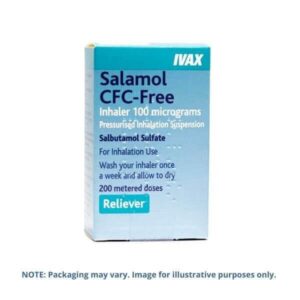
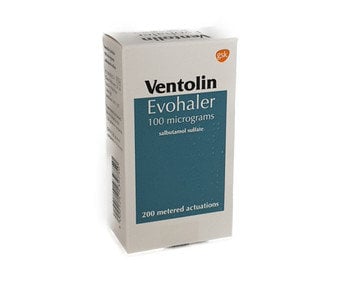
Ventolin is a blue reliever inhaler used to quickly ease asthma symptoms when they occur.
It contains salbutamol, a fast-acting bronchodilator that works by relaxing the muscles around the airways. This allows the airways to open up, making breathing easier within minutes.
Ventolin inhalers help relieve symptoms such as wheezing, chest tightness, and coughing, and are effective against common asthma triggers like pollen, dust, pet dander, and cigarette smoke.
Asthma inhalers are prescription-only medicines. A clinician must assess your condition to ensure Ventolin is suitable for you. After completing a short online consultation, eligible patients can have their inhaler delivered directly to their chosen address.
What Happens If You Use Too Much Ventolin?
Using more than the recommended dose may cause:
- A faster heartbeat
- Shakiness or trembling
These effects are usually short-lived and settle within minutes to a few hours. They are generally not dangerous unless accompanied by chest pain, in which case medical advice should be sought.
How Quickly Does Ventolin Work?
Ventolin begins working within minutes, rapidly opening the airways and relieving symptoms such as wheezing and breathlessness.
Can Ventolin Be Used During Pregnancy?
Maintaining good asthma control during pregnancy is important. You should continue using your prescribed Ventolin inhaler unless advised otherwise by a healthcare professional.
Stopping asthma treatment can worsen symptoms and may increase the risk of complications, including low birth weight.
Is Ventolin Only Used for Asthma?
Ventolin is used to relieve breathing difficulties by relaxing the airways. While it may sometimes be prescribed for other breathing-related conditions, it should only be used when prescribed by a doctor.
Using prescription medication without medical guidance is not recommended.
Can Ventolin Help With a Cough?
Ventolin may be prescribed for coughs that affect breathing, as salbutamol can help calm irritated airways. However, it should not be used to treat a cough unless specifically prescribed for that purpose.
Does Ventolin Cause Weight Gain?
Ventolin does not cause weight gain.
Weight changes in people with asthma are more commonly linked to reduced physical activity due to fear of triggering symptoms. Using Ventolin to manage asthma effectively can help you stay active and maintain a healthy lifestyle.
Tips to support a healthy weight:
- Exercise regularly within your limits
- Eat a balanced diet with vegetables and whole grains
- Speak to your doctor before stopping any asthma medication
What Is an Inhaler Spacer?
An inhaler spacer is a hollow tube that attaches to your inhaler. It helps deliver medication more effectively by allowing you to inhale the medicine slowly and deeply into your lungs.
Spacers reduce medication loss in the mouth and throat and can improve inhaler technique, especially for children or those who struggle with coordination.
How to Care for Your Ventolin Inhaler
- Clean the plastic casing only using water—do not wash the metal canister
- Store your inhaler in a cool, dry place
- Avoid extreme temperatures
- Keep the cap on to prevent dust or debris entering the mouthpiece
Directions
Ventolin can be used when asthma symptoms begin or before activities that may trigger breathlessness.
Recommended use:
- Take 1–2 puffs as needed
- Use up to 4 times within 24 hours, regardless of whether you take one or two puffs at a time
You should speak to a doctor or pharmacist if:
- You need your inhaler more than 4 times in one day
- You rely on it more than 2 days per week
- You wake up at night needing it at least once a week
These may be signs that your asthma is not well controlled.
Side Effects
Possible side effects may include:
A faster heartbeat, which may feel like palpitations
Muscle trembling, particularly in the hands
Mild feelings of nervousness or restlessness
These side effects are usually short-lived and often improve as your body becomes used to the medication. They are more likely to occur when higher doses are used, such as during an asthma flare-up or emergency.